


piles Symptoms


Don't Ignore the Warning Signs of Piles
Piles, also called hemorrhoids, can cause different symptoms depending on whether they are internal or external. Common symptoms may include bright-red bleeding during or after bowel movements, itching, soreness, swelling, discomfort or a lump around the anus. Not every episode of rectal bleeding is caused by piles. A proper clinical evaluation can help identify the cause of your symptoms and determine whether treatment is required.
Know What Your Body Is Telling You Before Choosing a Treatment
Bleeding
Bright-red bleeding during or after passing stool can occur with internal piles, but persistent or unexplained bleeding should be evaluated.
Itching & Irritation
Persistent itching, irritation or moisture around the anal area can occur with piles.
Pain & Swelling
Pain, tenderness or swelling may occur, particularly with external piles or complications.
Lump or Prolapse
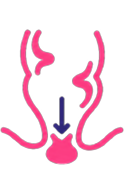
A lump or tissue coming out during bowel movements may indicate prolapsing hemorrhoids and should be assessed.

Meet Dr. Varsha Shah
Dr. Varsha Shah is a female proctologist in Ahmedabad providing confidential and patient-focused care for piles, fissure, fistula and other anorectal conditions. She focuses on understanding each patient's symptoms before recommending the most appropriate treatment approach.
About Skills
- Piles Treatment
- Fissure Treatment
- Fistula Care
- Laser & Minimally Invasive Procedures
- Post-Treatment Care
- Patient-Focused Consultation
 Dr. Varsha Shah